

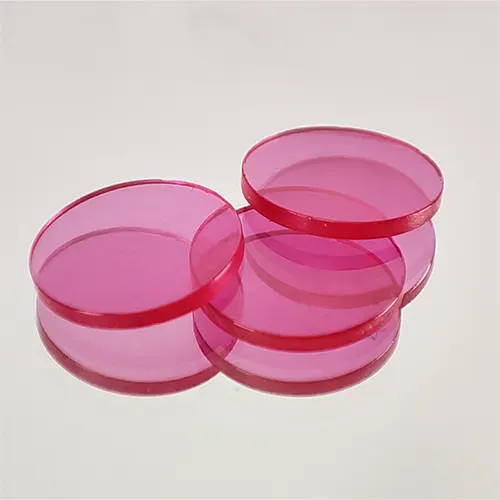
Gemstones are valuable minerals or rocks formed through long geological processes and prized for their rarity, beauty and distinctive physical properties. Their individual colors, hardness, refractive indices and luster are central to jewelry design. Diamond, ruby, sapphire and emerald often symbolize wealth and status through exceptional hardness, durability and visual appeal. Beyond jewelry, gemstones serve technology in laser equipment, optical lenses and precision instruments. As ornaments or strategic materials, they connect natural properties with technical applications.
常见问题
Why choose precision ceramics over conventional materials?
Precision ceramics offer excellent resistance to heat, corrosion and wear, together with electrical insulation, making them suitable for extreme conditions such as high temperatures and pressures. They also support high-precision machining for complex designs.
Which industries use precision ceramics?
Precision ceramics are widely used in aerospace, automotive, electronics, medical and industrial equipment, particularly where high performance and durability are required.
Are precision ceramics difficult to machine?
High hardness and brittleness make precision ceramics difficult to machine. Specialized equipment and processes, such as CNC machining, are needed to ensure precision and surface quality.
How do I choose the right ceramic material?
Consider the specific operating environment and performance requirements, including heat resistance, corrosion resistance and mechanical strength. Different applications require ceramics with different properties.
How long do precision ceramics last?
Precision ceramics generally offer a long service life, from several years to longer, depending on operating conditions such as temperature, pressure and wear.