

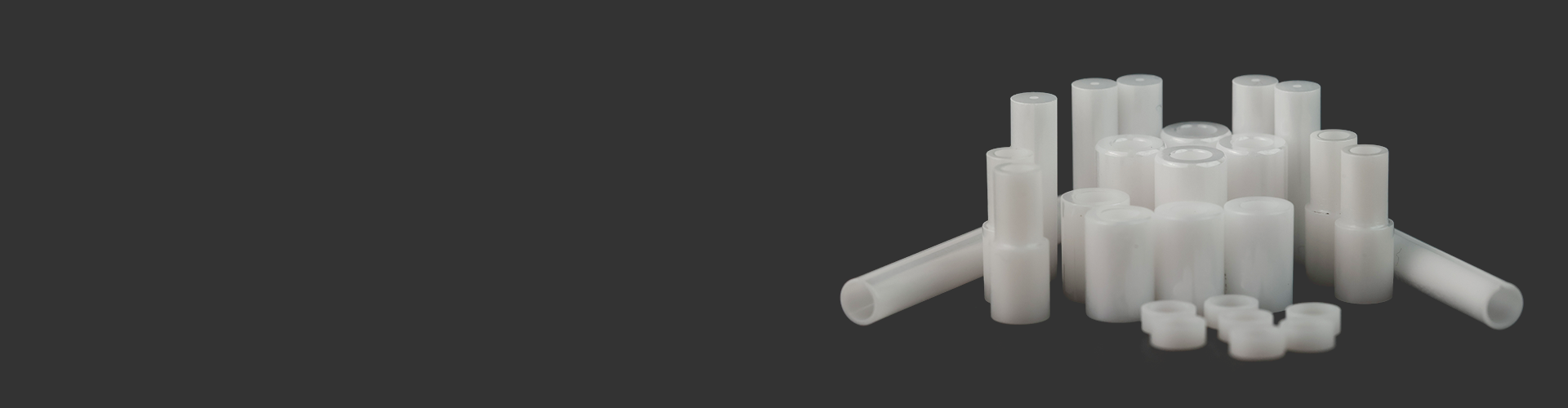
Ceramic Sleeves
As a key component in fiber optic connectors, we provide SC-type, LC-type, and various customized split and solid ceramic sleeves. With 20 years of professional expertise, we hold a leading edge in both standard and non-standard sleeve manufacturing. Our products are widely used in 5G communication, computing power centers, large-scale data centers, and fiber laser equipment.
- 20+ years of ceramic manufacturing experience
- Factory-direct supply with guaranteed quality
- High precision and reliable performance
- Custom production available
- Stable supply with a monthly output of 100 million pieces
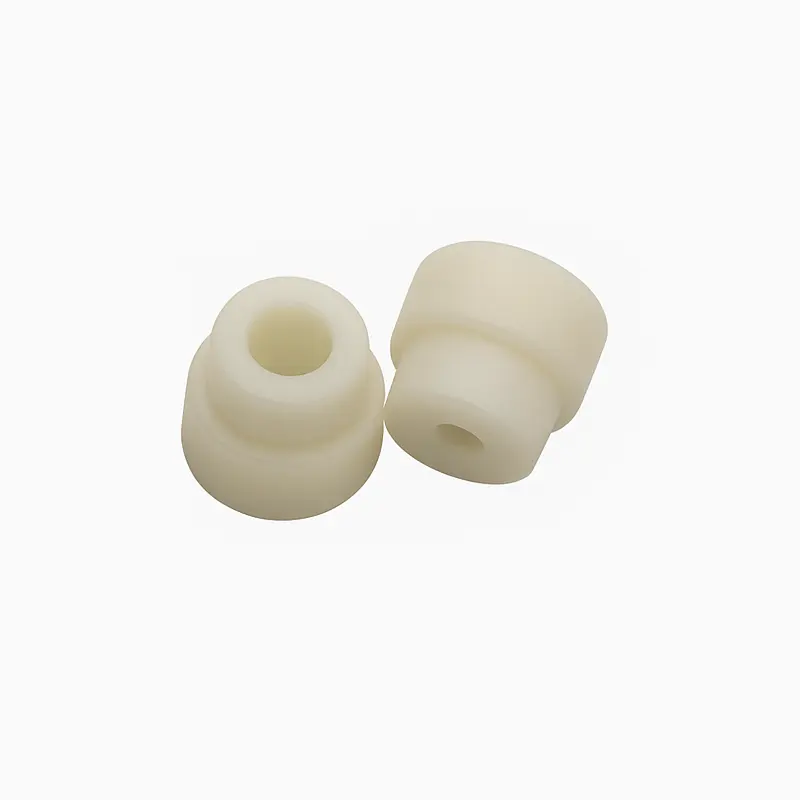
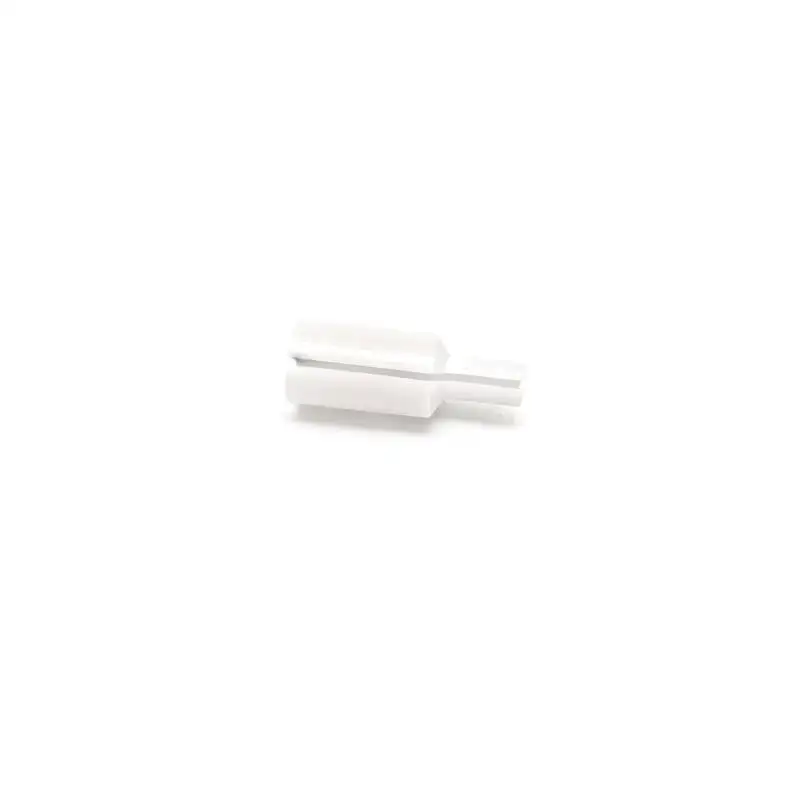
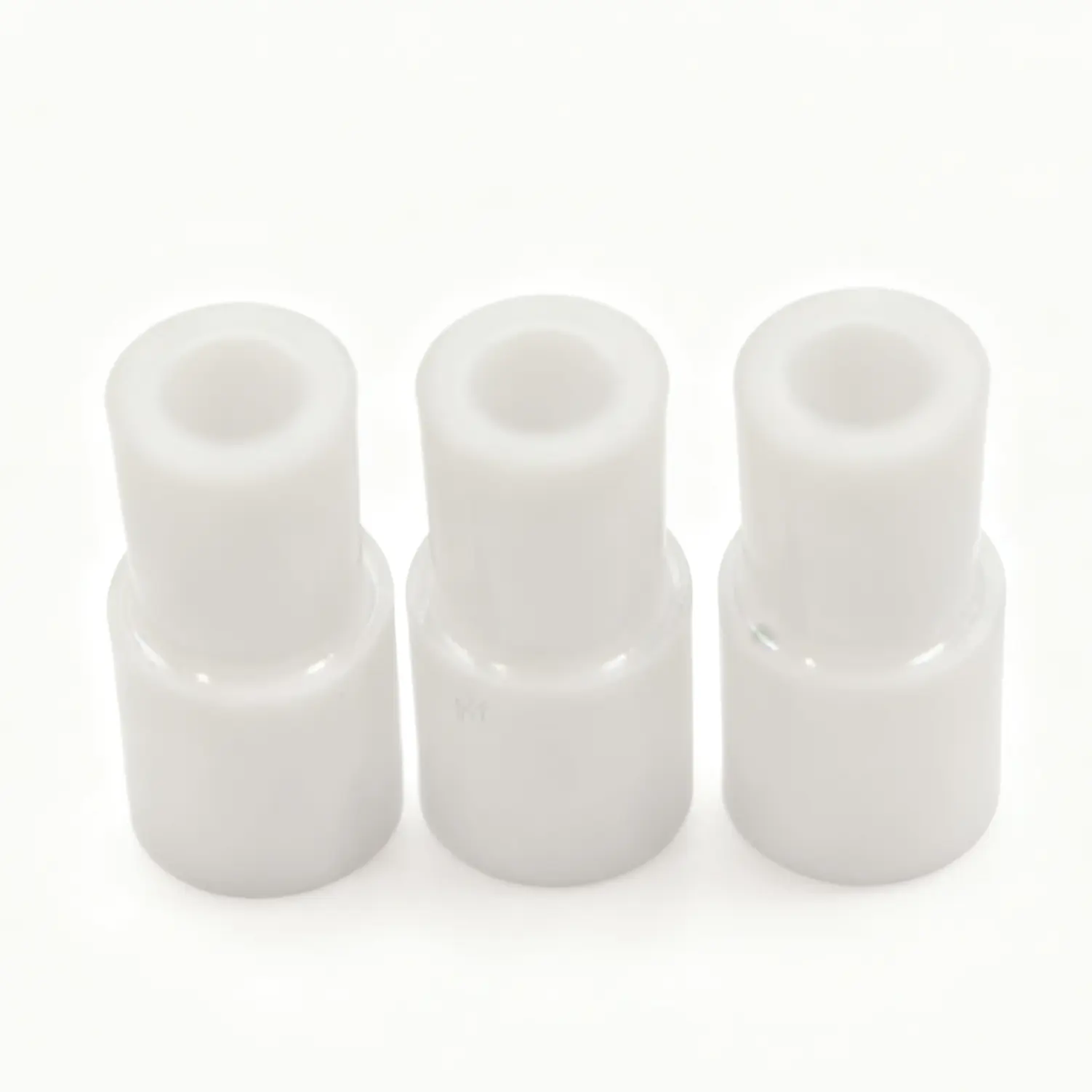
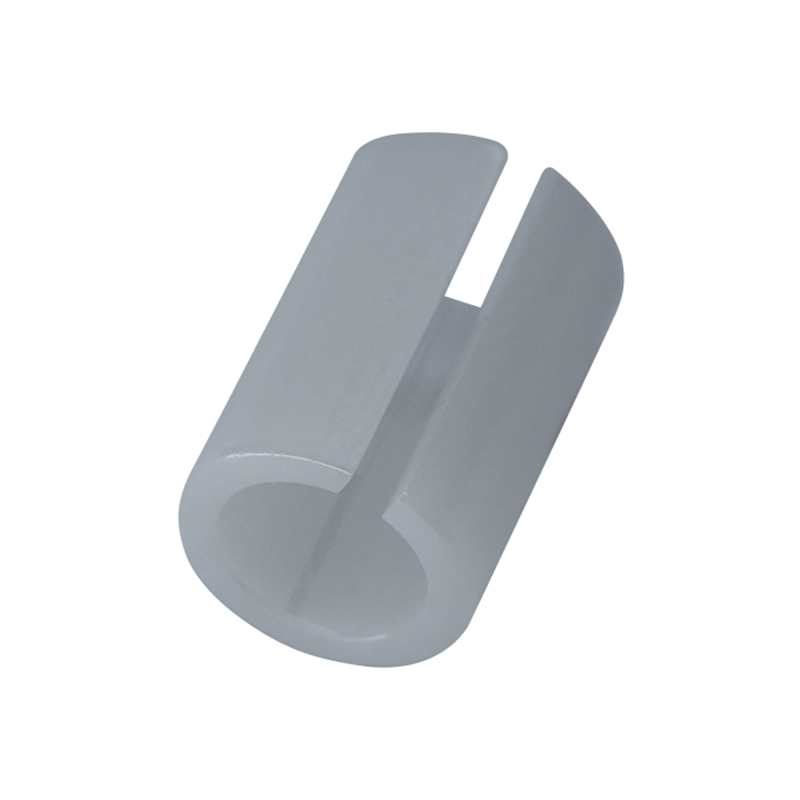
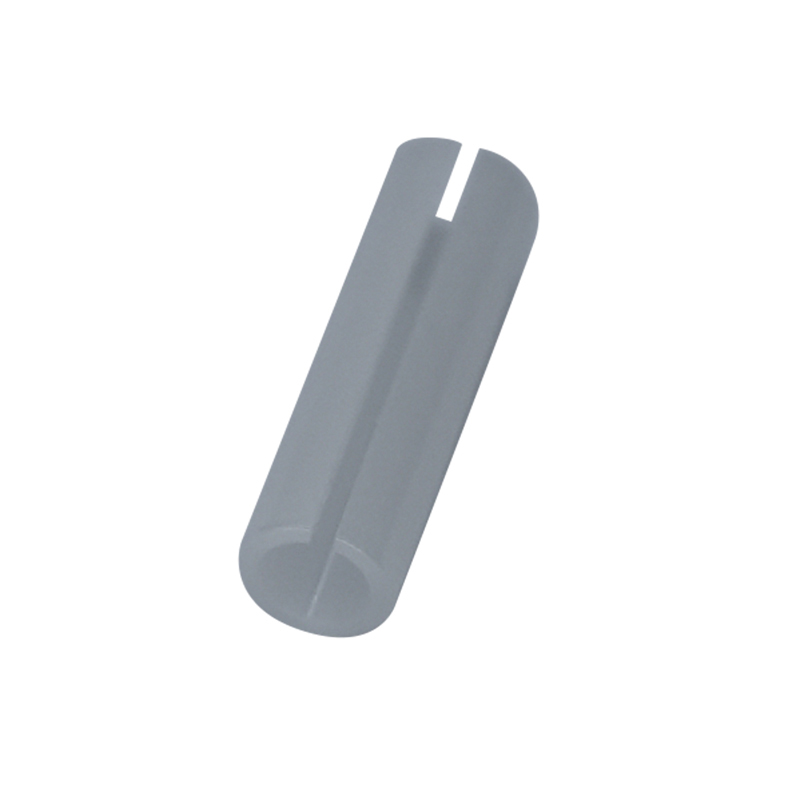
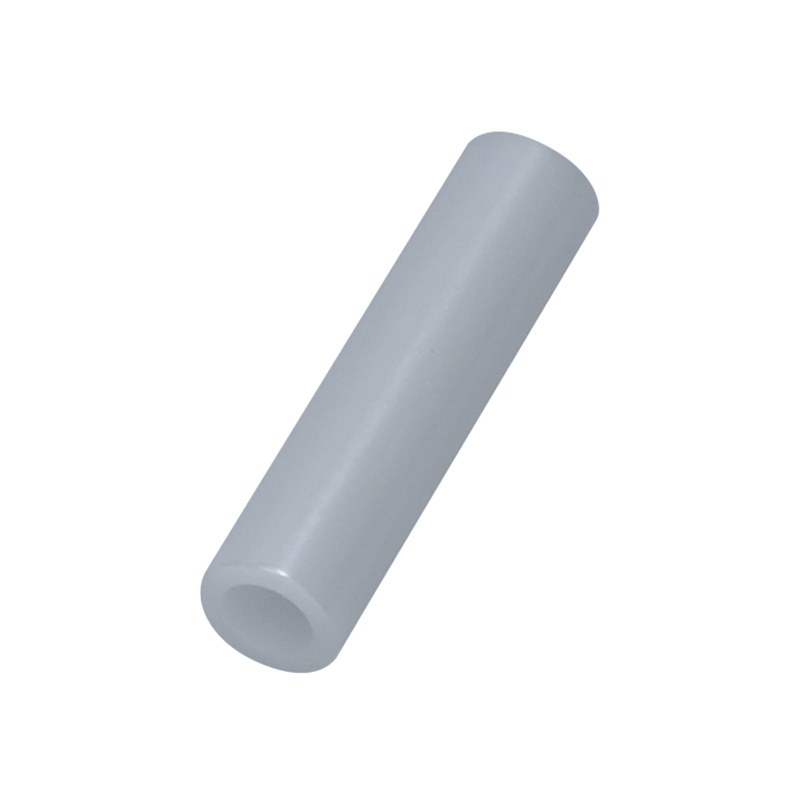
Ceramic Sleeves for Fiber Optic Connectors and Adapters
Ceramic sleeves are precision alignment components used in fiber optic adapters and connector assemblies. They help guide and align ceramic ferrules during optical connection, supporting stable signal transmission in telecom networks, data centers, FTTx systems, 5G infrastructure, and optical communication equipment.
UPCERA provides zirconia ceramic sleeves for fiber optic applications, including split ceramic sleeves, solid ceramic sleeves, SC-type ceramic sleeves, LC-type ceramic sleeves, and customized sleeve structures. These products are designed for applications where dimensional consistency, wear resistance, and reliable ferrule alignment are important.
With years of ceramic processing and optical communication component experience, UPCERA can support both standard sleeve products and custom ceramic sleeve projects based on drawings or samples. Sleeve type, inner diameter, outer diameter, slot structure, material, and inspection requirements should be confirmed before quotation and production.
Our ceramic sleeve production capacity range and tolerance (Unit: mm)
Performance\Material |
Alumina | Zirconia | Gemstone | Silicon Nitride |
Aluminum Nitride |
Silicon Carbide |
||||||||||||||||
| 96~99.95% | YSZ | ATZ | ZTA | Blue Zirconia | Black Zirconia | Ruby | Sapphire | |||||||||||||||
| Length Range | ≤1000 | ≤1000 | ≤1000 | ≤1000 | ≤1000 | ≤1000 | ≤100 | ≤300 | ≤200 | ≤200 | ≤200 | |||||||||||
| Outer Diameter | ≤150 | ≤250 | ≤50 | ≤50 | ≤150 | ≤150 | ≤50 | ≤50 | ≤50 | ≤50 | ≤50 | |||||||||||
Inner Diameter |
Through Hole | ≤200 | ≤200 | ≤200 | ≤200 | ≤200 | ≤200 | ≤48 | ≤48 | ≤48 | ≤48 | ≤48 | ||||||||||
| Blind Hole | ≤30 | ≤50 | ≤50 | ≤50 | ≤50 | ≤50 | ≤10 | ≤10 | ≤50 | ≤50 | ≤50 | |||||||||||
| Stepped Hole | ≤50 | ≤50 | ≤50 | ≤50 | ≤50 | ≤50 | ≤10 | ≤10 | ≤50 | ≤50 | ≤50 | |||||||||||
| Minimum Wall Thickness | 0.2 | 0.1 | - | - | 0.1 | 0.1 | - | - | 0.2 | 0.2 | ||||||||||||
| Drilling | ≥φ0.4 | ≥φ0.4 | ≥φ0.4 | ≥φ0.4 | ≥φ0.4 | ≥φ0.4 | ≥φ0.4 | ≥φ0.4 | ≥φ0.4 | ≥φ0.4 | ≥φ0.4 | |||||||||||
| Thread Diameter | ≥M3 | ≥M2 | ≥M2 | ≥M3 | ≥M2 | ≥M2 | - | - | ≥M3 | ≥M3 | ≥M3 | |||||||||||
| Minimum Fillet Radius | R0.1 | R0.1 | R0.1 | R0.1 | R0.1 | R0.1 | R0.1 | R0.1 | R0.1 | R0.1 | R0.1 | |||||||||||
Outer Diameter Precision |
1-25mm: ±0.002mm 20-50mm: ±0.003mm 50-100mm: ±0.050mm 100-150mm: ±0.100mm |
|||||||||||||||||||||
Inner Diameter Precision |
0.5-3mm: ±0.001mm 3-10mm: ±0.003mm 10-30mm: ±0.005mm 30-100mm: ±0.030mm 100-150mm: ±0.050mm 150-200mm: ±0.100mm |
|||||||||||||||||||||
| Length Precision | ±0.005mm | |||||||||||||||||||||
| Roughness | Ra0.1 | Ra0.03 | Ra0.03 | Ra0.03 | Ra0.03 | Ra0.03 | Ra0.02 | Ra0.02 | Ra0.03 | Ra0.03 | Ra0.03 | |||||||||||
| Roundness | 0.002mm | |||||||||||||||||||||
| Concentricity | 0.002mm | |||||||||||||||||||||
| Straightness | 0.004mm | |||||||||||||||||||||
| Perpendicularity | 0.005mm | |||||||||||||||||||||
| Parallelism | 0.003mm | |||||||||||||||||||||
| Flatness | 0.003mm | |||||||||||||||||||||
Note: Due to the broad scope of the specifications and the correlations between different data, the above information is for reference only.
Download the complete machining capability sheet
Ceramic Sleeve Types We Support
Different adapter and connector structures may require different ceramic sleeve designs. UPCERA can review the required sleeve type according to the connector format, ferrule size, mating structure, assembly method, and drawing requirements.
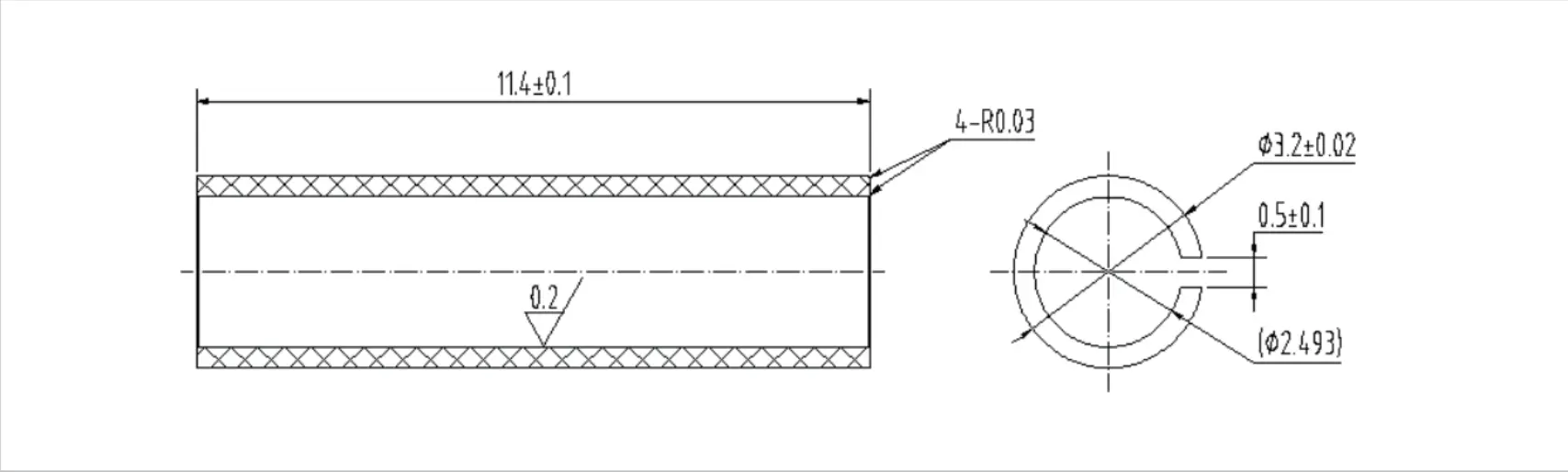
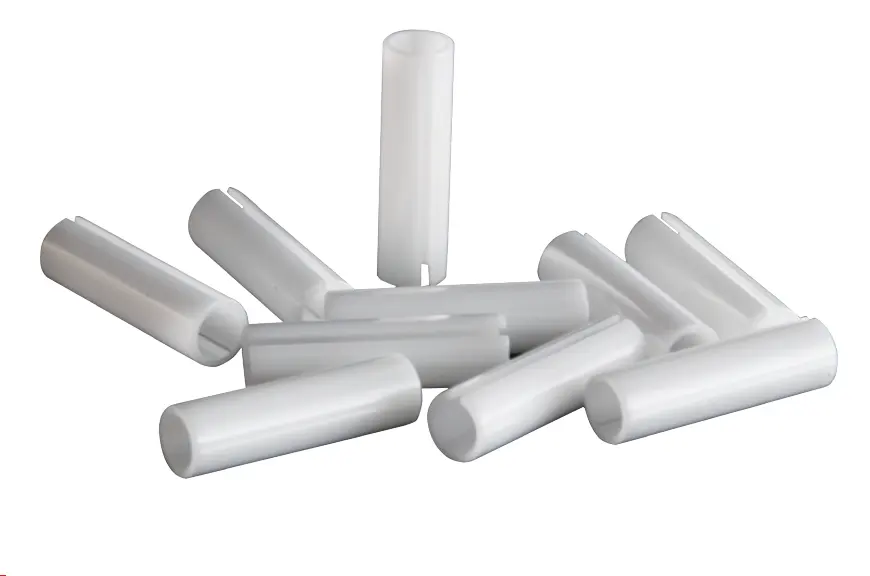
- Split ceramic sleeves: commonly used where elastic holding and ferrule alignment are required in adapter assemblies.
- Solid ceramic sleeves: suitable for specific structures where a closed sleeve design is required by the assembly.
- SC-type ceramic sleeves: used for SC connector or adapter structures after drawing and specification confirmation.
- LC-type ceramic sleeves: used for compact optical connection structures and high-density fiber optic applications.
- Custom ceramic sleeves: non-standard dimensions, slot structures, or special assembly requirements can be reviewed according to drawings.
Zirconia Material and Optical Alignment Performance
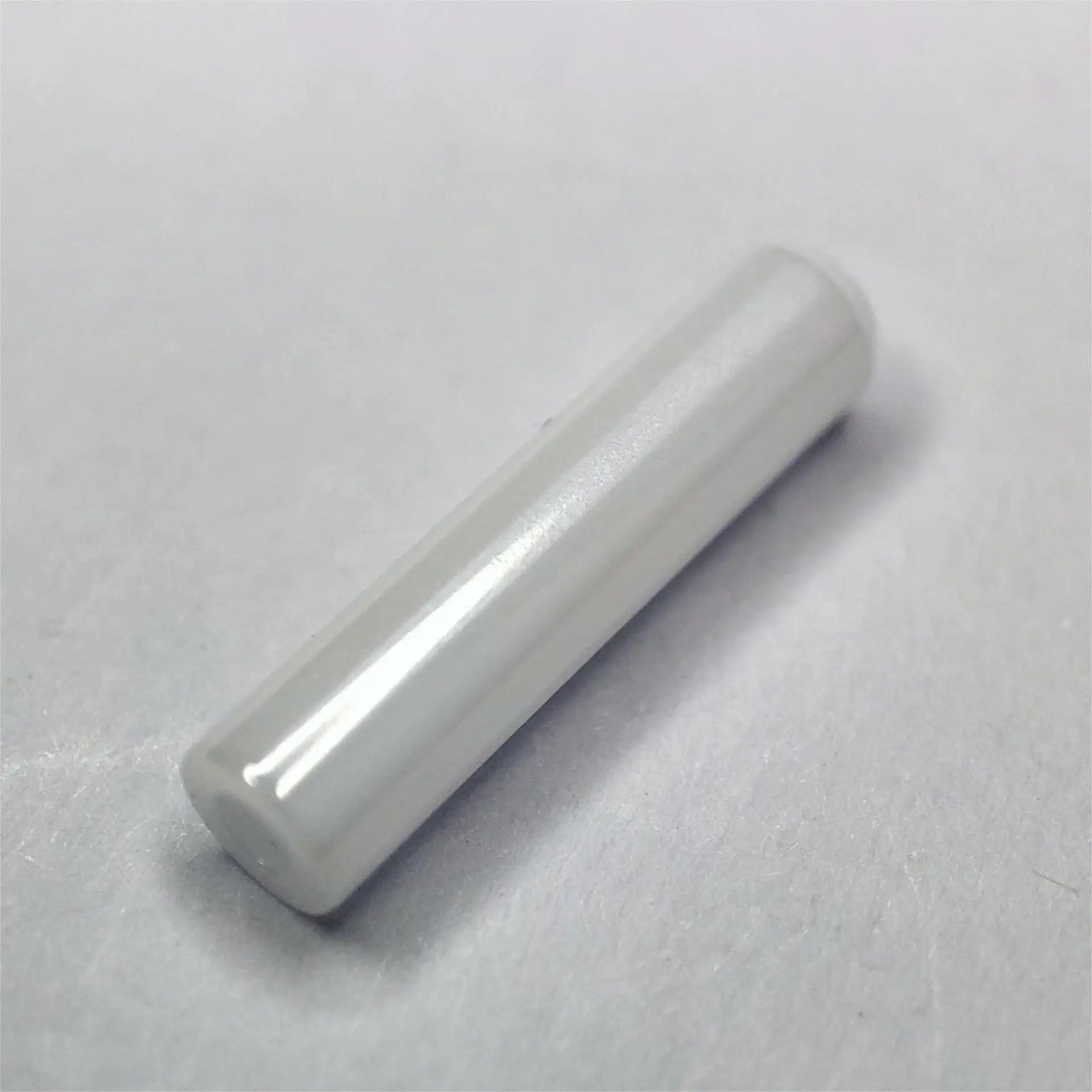
Zirconia ceramic is widely used for fiber optic ceramic sleeves because it supports precision processing, wear resistance, and stable alignment behavior. For optical connector applications, the sleeve must maintain consistent geometry so that ceramic ferrules can be guided and positioned reliably during repeated mating.
- Zirconia ceramic material suitable for fiber optic adapter alignment components.
- Precision processing for inner and outer dimensions according to confirmed drawings.
- Slot structure and opening consistency can be reviewed for split sleeve projects.
- Custom sleeve requirements should be confirmed with drawings, samples, or assembly information.
Applications of Fiber Optic Ceramic Sleeves
Fiber optic ceramic sleeves are used in adapter and connector assemblies where ferrule alignment stability affects optical connection performance. They are especially relevant for optical communication products that require reliable mating, repeated use, and stable assembly consistency.
- Fiber optic adapters and connector assemblies
- SC and LC optical connection systems
- Telecom network and FTTx infrastructure
- Data center optical interconnection products
- 5G infrastructure and optical communication equipment
Custom Ceramic Sleeve Manufacturing Support
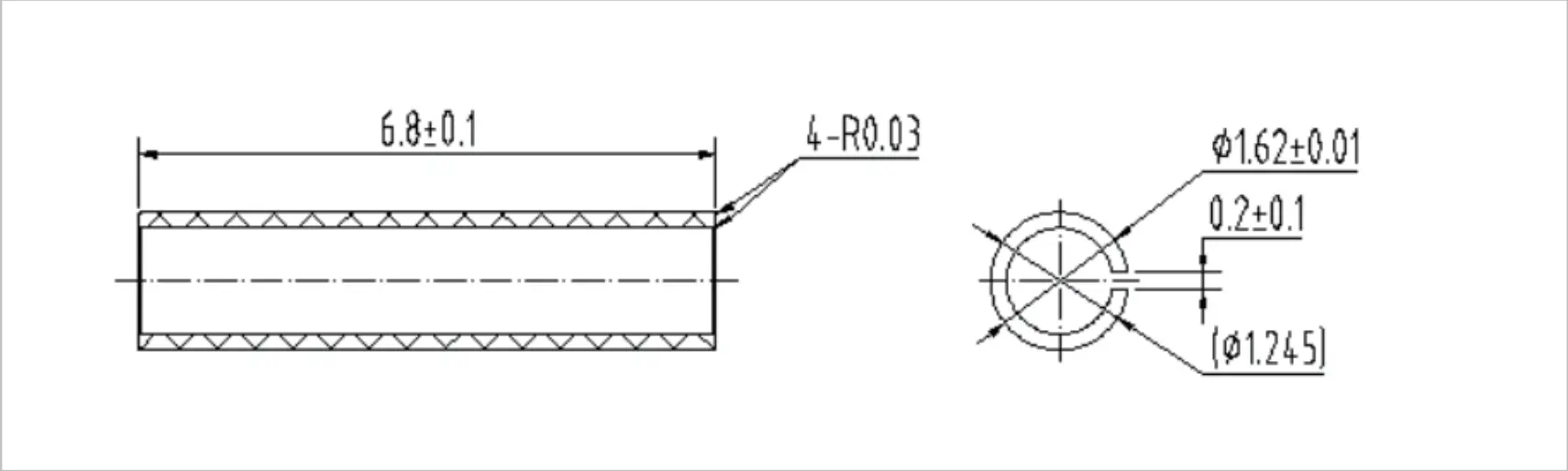
For custom ceramic sleeve projects, please provide drawings, connector type, sleeve type, key dimensions, slot requirement, material preference, quantity, and inspection requirements. UPCERA can review the structure and provide manufacturing feedback before quotation.
- Confirm whether the project requires a split sleeve, solid sleeve, SC-type sleeve, LC-type sleeve, or other custom structure.
- Confirm inner diameter, outer diameter, length, slot structure, and assembly fit requirements before production.
- For non-standard sleeves, drawings or samples are recommended for feasibility review.
Quality Inspection and Batch Consistency
Ceramic sleeves for optical connection require consistent dimensions, clean appearance, stable slot structure, and reliable batch conformity. UPCERA can support dimensional inspection, appearance review, slot consistency checks, and drawing-conformity verification according to the approved specification.
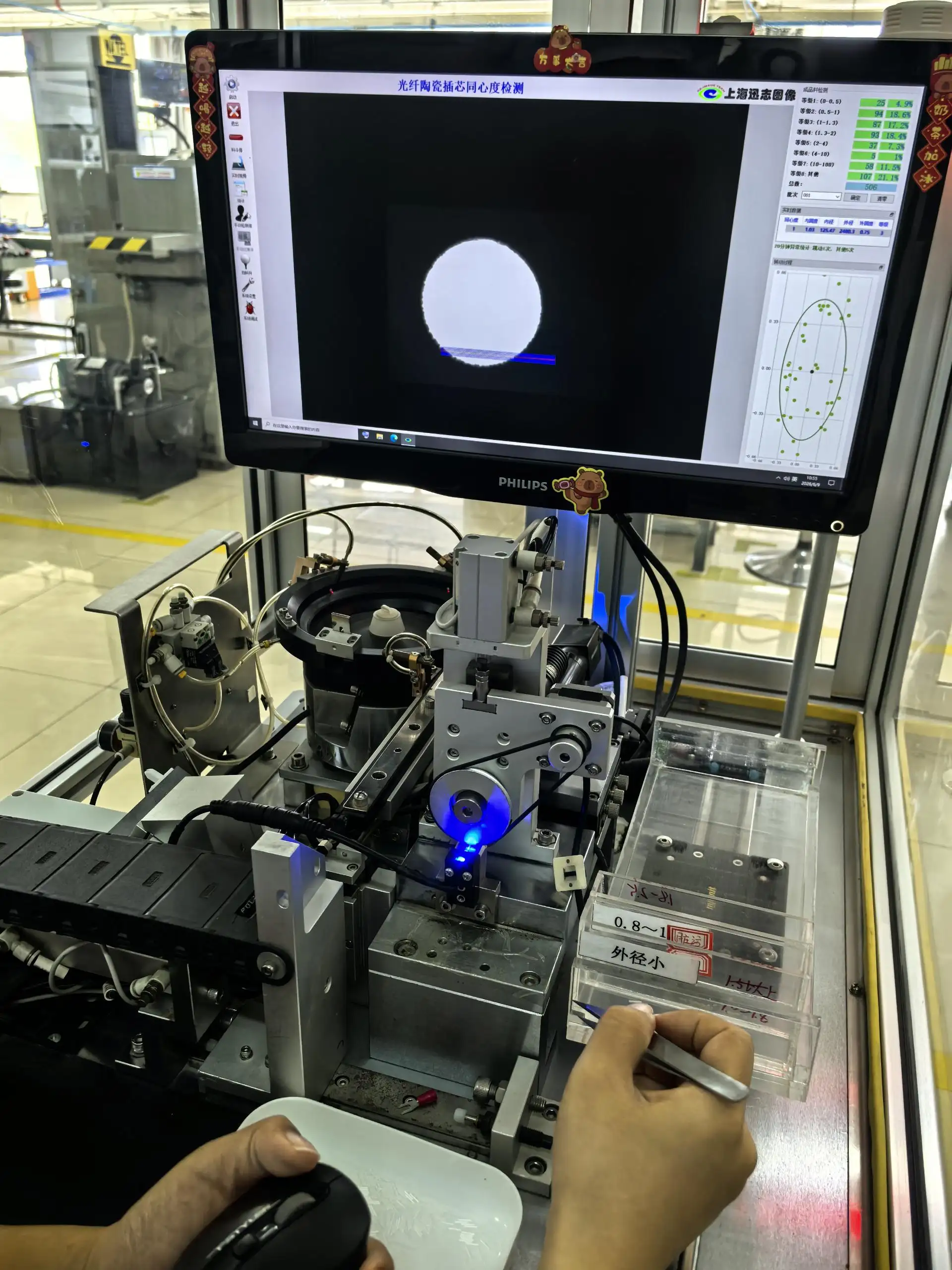
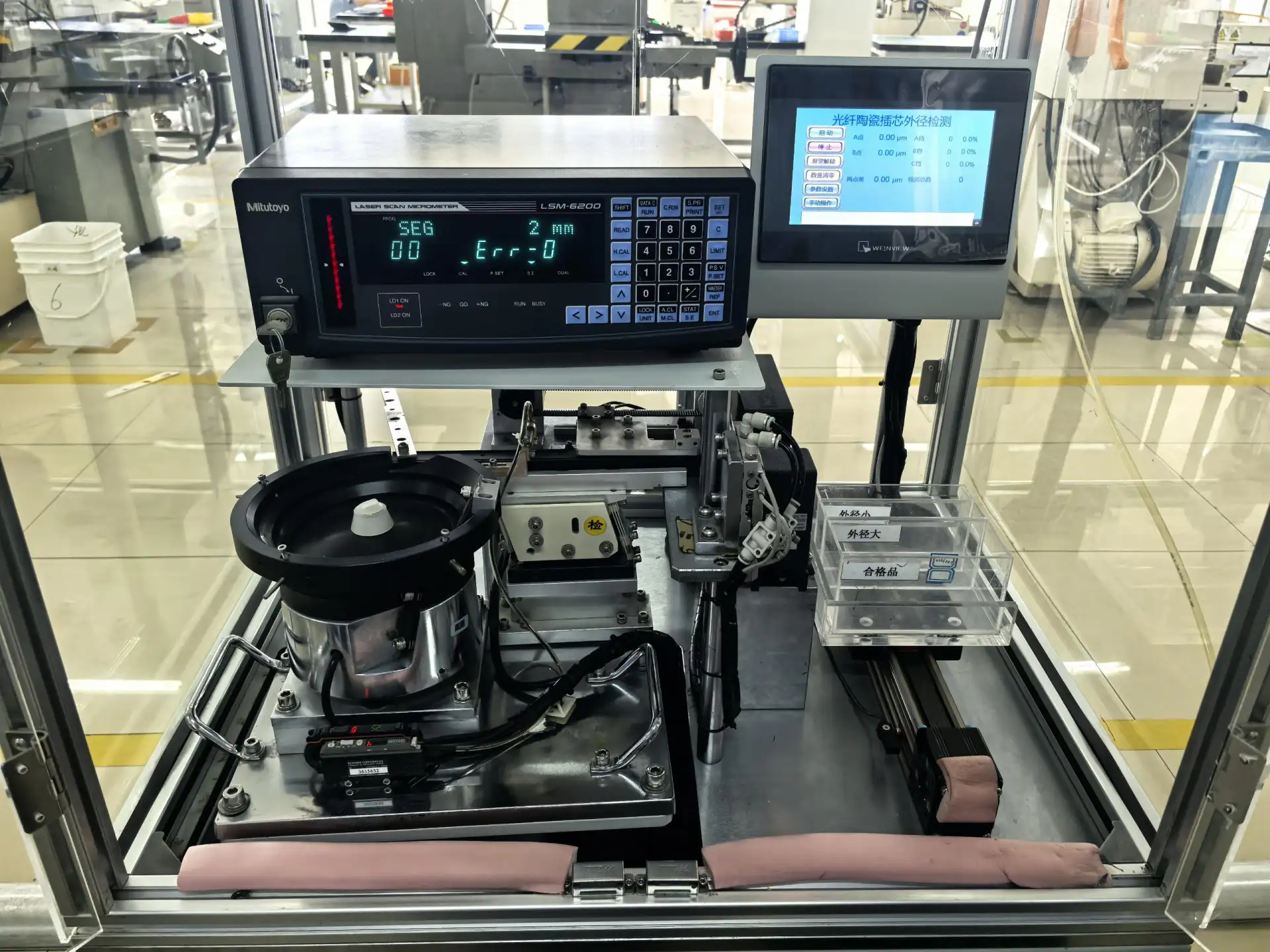
- Dimensional inspection according to confirmed drawing requirements.
- Appearance and slot structure review for split ceramic sleeves.
- Batch consistency checks before delivery according to order requirements.
FAQ
What is a fiber optic ceramic sleeve used for?
A fiber optic ceramic sleeve is used in adapter and connector assemblies to guide and align ceramic ferrules during optical connection.
What is the difference between a split ceramic sleeve and a solid ceramic sleeve?
A split ceramic sleeve has an opening structure that can support elastic holding behavior, while a solid ceramic sleeve is a closed structure used for specific assembly designs.
Can UPCERA supply SC-type ceramic sleeves?
Yes. SC-type ceramic sleeves can be reviewed according to connector structure, drawing requirements, and order specifications.
Can UPCERA supply LC-type ceramic sleeves?
Yes. LC-type ceramic sleeves can be supplied or customized after confirming drawings, sleeve dimensions, and assembly requirements.
What material is commonly used for ceramic sleeves?
Zirconia ceramic is commonly used for fiber optic ceramic sleeves because it supports precision processing and wear-resistant alignment performance.
Can UPCERA make custom ceramic sleeves?
Yes. Custom ceramic sleeve projects can be reviewed with drawings, samples, connector type, sleeve structure, and inspection requirements.
What information is needed for a ceramic sleeve quotation?
Please send drawings, sleeve type, connector type, key dimensions, slot requirements, quantity, and inspection requirements.
Request a quote
If you need zirconia ceramic sleeves for fiber optic adapters or connector assemblies, contact UPCERA with your drawings, sleeve type, connector format, and target quantity. We will review your requirements and provide quotation feedback for standard or custom ceramic sleeves.